Unveiling NIST’s Cybersecurity Framework (CSF) 2.0: A Deep Dive into Key Requirements
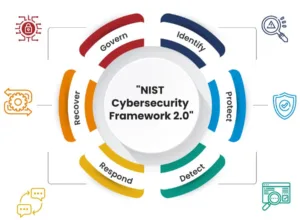
A deep dive into NIST Cybersecurity Framework (CSF) 2.0: what changed from version 1.0, the new Govern function, key requirements and implementation steps.
Read more
Unveiling Morris II : A New Era of Self-Replicating Malware

Morris II is a self-replicating worm that targets generative AI systems. Learn how it spreads, why it is dangerous and what it means for AI cybersecurity.
Read more
Building a Stronger Defense: Leveraging Exposure Management for Cyber Threat Mitigation

Learn how exposure management helps reduce cyber risk, how it differs from attack surface management, its key components and best practices to adopt it.
Read more
Demystifying Phobos Ransomware: Insights and Defense Strategies
Demystifying Phobos ransomware: how attackers gain access, how it encrypts data and the practical countermeasures that protect your organisation from it.
Read more
Unveiling Microsoft PyRIT: Red Teaming Reinvented with Generative AI

Microsoft PyRIT is an open-source tool for red teaming generative AI systems. Learn how it works, why AI red teaming matters and what it means for security.
Read more
The Anatomy of Data Downtime: Insights from Postmortems and Strategies for Recovery

Understand data downtime and data loss, why postmortems matter, the key lessons learned from real incidents and best practices to recover faster next time.
Read more
Breaking Down the New Hugging Face Vulnerability: Threats to AI Model Supply Chains

How the new Hugging Face vulnerability exposes AI models to supply chain attacks, and the remedial steps teams can take to safeguard their ML models.
Read more
Unveiling BIFROSE Linux Malware: Understanding its Modus Operandi and Remedial Measures

The new Bifrose Linux malware variant mimics VMware domains to evade detection. Learn its modus operandi and the remedial measures to protect Linux systems.
Read more
Understanding VoltSchemer Attacks: Risks, Modus Operandi, and Countermeasures

VoltSchemer attacks hijack wireless chargers using voltage manipulation. Learn how the attack works, the risks to your phone and the countermeasures to use.
Read more
Unveiling KeyTrap Vulnerability: Safeguarding DNSSEC with Effective Countermeasures

The KeyTrap vulnerability can stall DNSSEC-validating resolvers with a single packet. Learn how it works, its impact on DNS and the countermeasures available.
Read more
Understanding Wiper-War Attacks: Causes, Risks, and Preventive Measures

What wiper malware attacks are, why they are rising, the potential impact on businesses and governments, and the preventive measures that limit the damage.
Read more
Unveiling the Gold Pickaxe: The Android and iOS Malware That Steals Faces and Trust

GoldPickaxe is a mobile trojan for Android and iOS that steals facial biometrics to commit bank fraud. Learn how it works and how to protect yourself.
Read more